


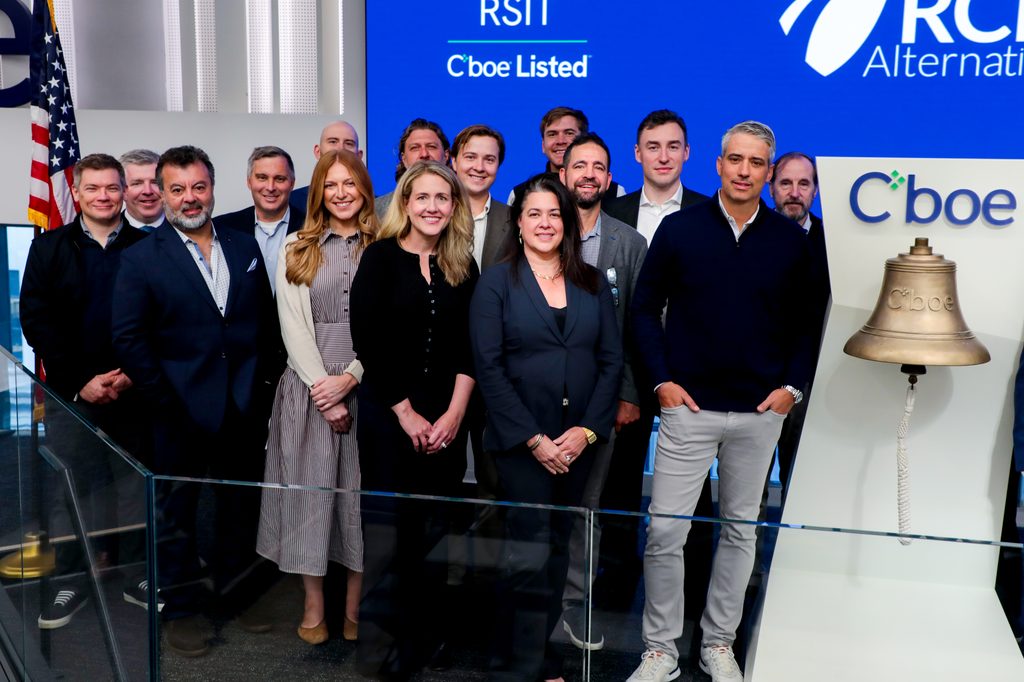
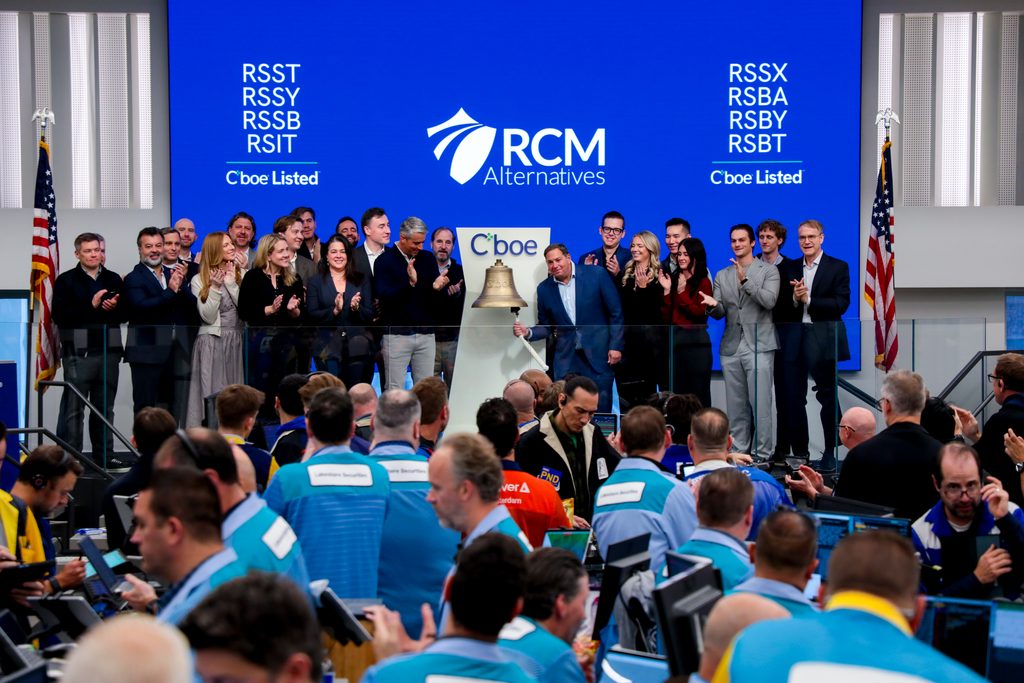
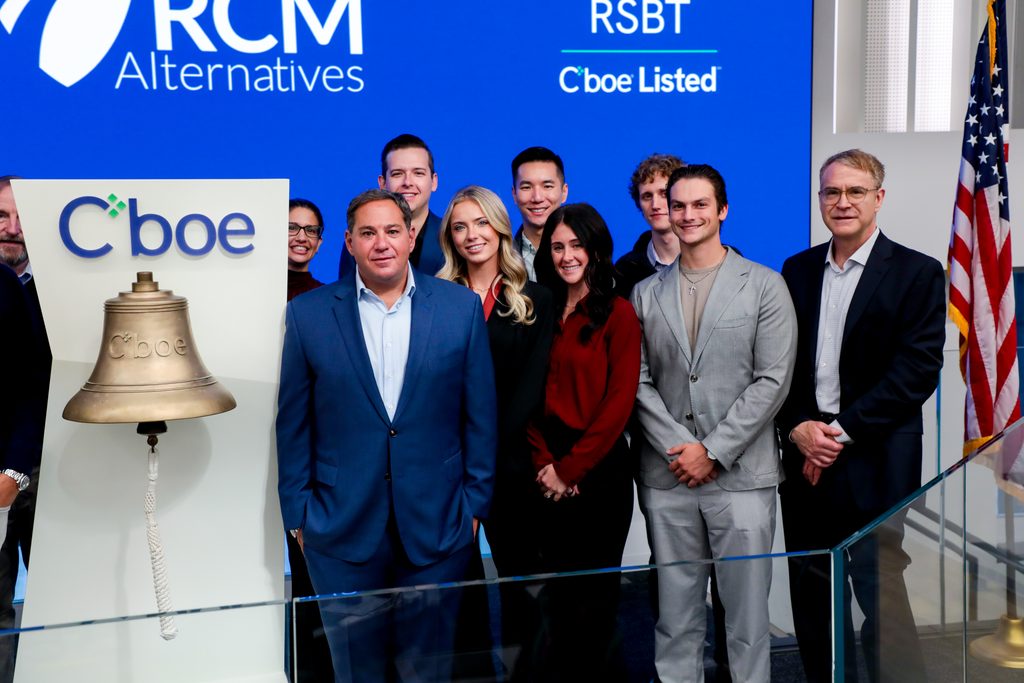
First, the photos: yes, that’s the RCM crew ringing the opening bell at Cboe. It was a fun morning and nobody tripped off the stage. A win! Now for the actual news: futures are moving into ETFs, and for those of us who’ve lived in the managed futures world for years, that’s a big deal.
Why Should You Care?
Normal people getting into managed futures can be a hassle. You have to deal with:
- Minimums big enough to buy a boat
- K-1 tax forms, which tend to show up in late March like a Game of Thrones character you thought was dead
- Subscription paperwork to rival the Death Star blueprints
That’s not a problem for well heeled investors, family offices, and the like – which we deal with at RCM day in and day out helping make this as easy as possible (see how in our SMA platform here)
But as easy as we make it, it’s still not a ticker symbol inside a brokerage account and a buy button. So, as the worlds or futures have collided with the world of ETFs, RCM’s had a front row seat, helping many CTAs and pools convert and/or launch ETFs, helping them get global market access, and helping them execute those trades all hours of the day.
Put it in an ETF
How’d we get here? For the first two decades, ETFs were the Toyota Corolla of finance: passive, equity, index-tracking, reliable, boring. Nobody was stuffing a trend-following program inside one.
Then the back half of the 2010s happened:
- The “ETF Rule” (6c-11) turned a multi-year SEC begging process into a standardized ~80-day path from idea to ticker.
- The Derivatives Rule (18f-4) gave funds a clear framework for holding futures, options, and swaps inside a ’40 Act wrapper. The “you may now enter the building” sign for CTAs.
- Active got cool. The “will active ETFs be accepted?” debate is over. Gavin Filmore of Tidal told us on the pod that ship sailed years ago, and that his scar tissue from running an index-bound oil ETN when crude went negative is why he’d never build a derivatives product passively again. Flexibility beats rigid rules. CTAs have known that forever.
- Market makers built the pipes. Five years ago, maybe one or two of them could price an options-heavy or cross-asset ETF second-by-second. Today basically all of them can.
And Gavin’s take on where we are in the ETF story? Inning two or three. Not nine.
So… a lot of smart people stopped trying to fit the square peg of Alts into the round hole of everyday investors and basically said: let’s just put this in an ETF. No futures account, no K-1, no Death Star blueprints. Ticker, brokerage account, buy button.
Look Under the Hood
The ETF wrapper isn’t magic. Keep in mind, Managed futures ETFs ‘vary a lot in how they’re built, what they charge and how many markets they trade. Same story for many Liquid Alts that put hedge fund strategies into a retail product.
Indeed, we built a whole web page to better categorize and explain what a lot of these products do: see here.
Still, strategies that used to sit behind velvet ropes are now on the same shelf as SPY. That’s worth ringing a bell over.
Related: