

With Season 5 of Stranger Things dropping soon, we thought a proper series review was in order. And being market nerds, naturally we’re rewatching the entire saga through the lens of the 2007-2009 Global Financial Crisis, because what better way to understand interdimensional horror than through the lens of systemic financial contagion, failed risk models, and the arrogance of institutions convinced they’d conquered volatility? Turns out Hawkins, Indiana and the housing bubble have more in common than you’d think…
Season 1: The Discovery Phase (2007 – Early Warning Signs)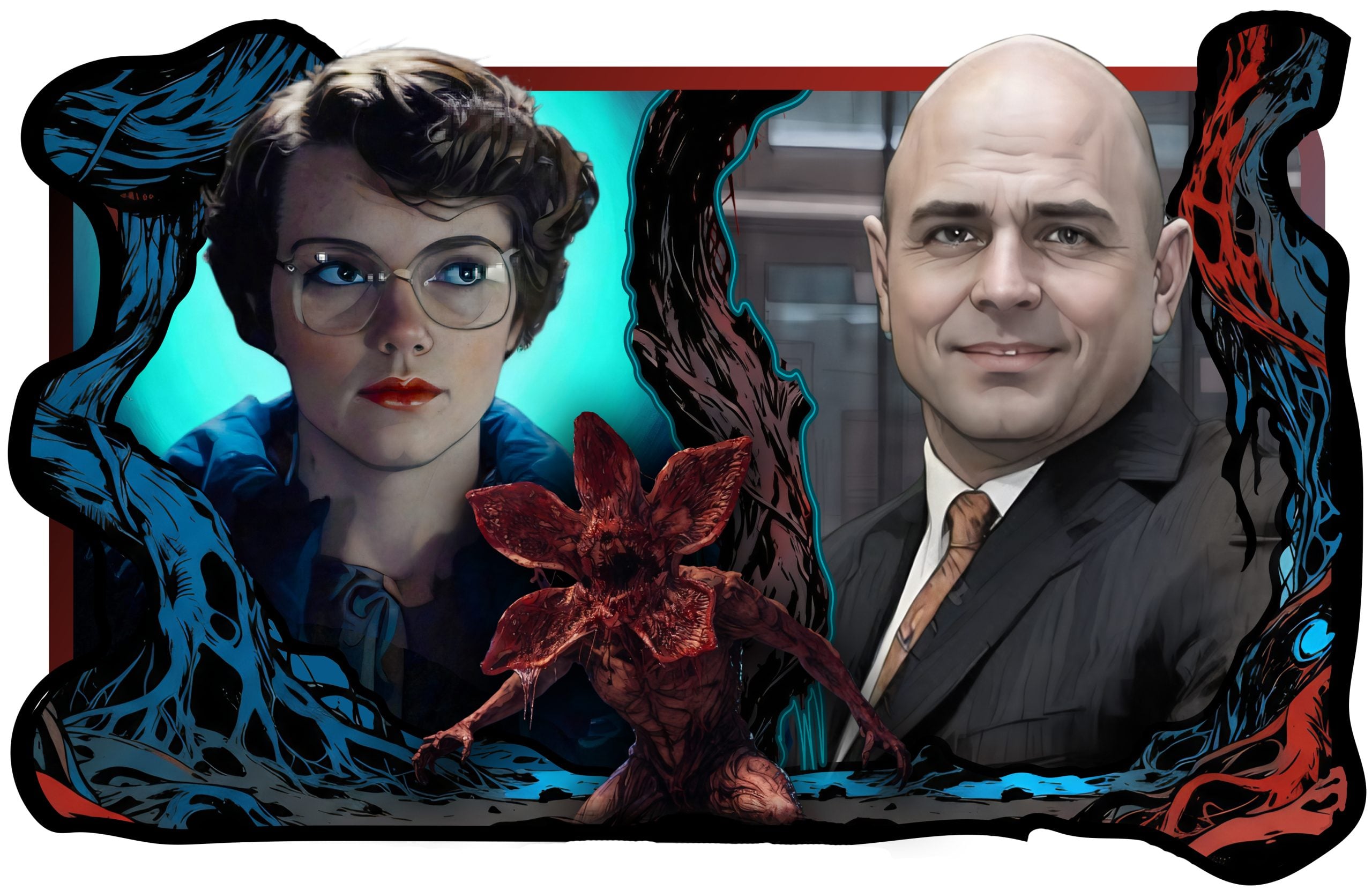
A quiet bull market masks systemic risks building beneath the surface until a black swan event (Will’s disappearance) forces investors to acknowledge the Upside Down that was always lurking in their portfolio’s shadow. The Demogorgon stalking through Hawkins is subprime mortgage risk hunting vulnerable homeowners and lenders one by one, Bear Stearns hedge funds vanish in June, Northern Rock gets dragged into the Upside Down in September, but the broader market (the town) continues its normal routine, with the S&P 500 hitting new highs in October even as people are disappearing. Eleven breaking out of Hawkins Lab represents gold ($650 to $850/oz in 2007) emerging as the crisis hedge asset, strange, powerful, doesn’t follow normal market rules, and nobody really understands her mechanics, but she’s the only thing that can actually fight the monster when conventional weapons fail. Joyce frantically stringing Christmas lights is like credit analysts trying to signal warnings through obscure indicators while everyone thinks she’s crazy, until the evidence becomes undeniable and the gate opens.
Season 2: The Correction (Late 2007 – Mid 2008, Contained Phase)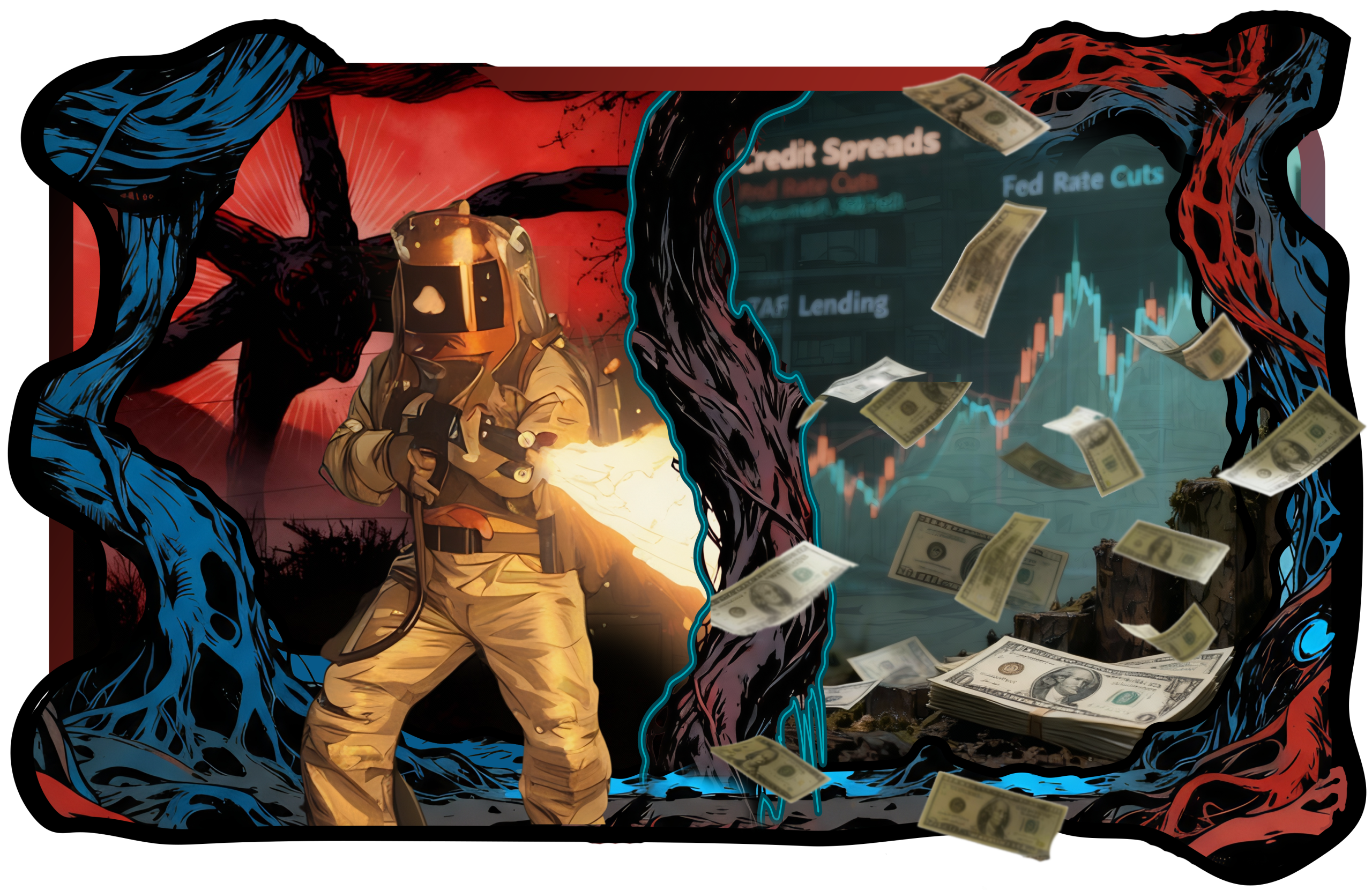
Contagion spreads through interconnected markets as the Mind Flayer infiltrates Hawkins through underground tunnels, this is counterparty risk metastasizing through the financial system’s plumbing of repo markets, commercial paper, and interbank lending. Will’s possession (Bear Stearns deteriorating) shows how the infection spreads person-to-person, institution-to-institution, and the demodogs erupting everywhere represent credit spreads widening across all sectors simultaneously. But coordinated intervention and risk management still seem effective. The kids burning out the tunnels while Eleven and Hopper close the gate represents coordinated central bank action (Fed rate cuts, TAF lending, Bear Stearns shotgun marriage to JPM), with Treasury bonds (10-year yields falling from 4.0% to 3.3%, prices rising) providing the safe-haven protection that actually works when growth assets fail. There’s genuine belief the crisis has been contained, even though Will’s final glance in the mirror suggests the Mind Flayer’s presence lingers in the system’s shadow banking infrastructure.
Season 3: The False Recovery (Summer 2008 – July/August, Pre-Lehman Complacency)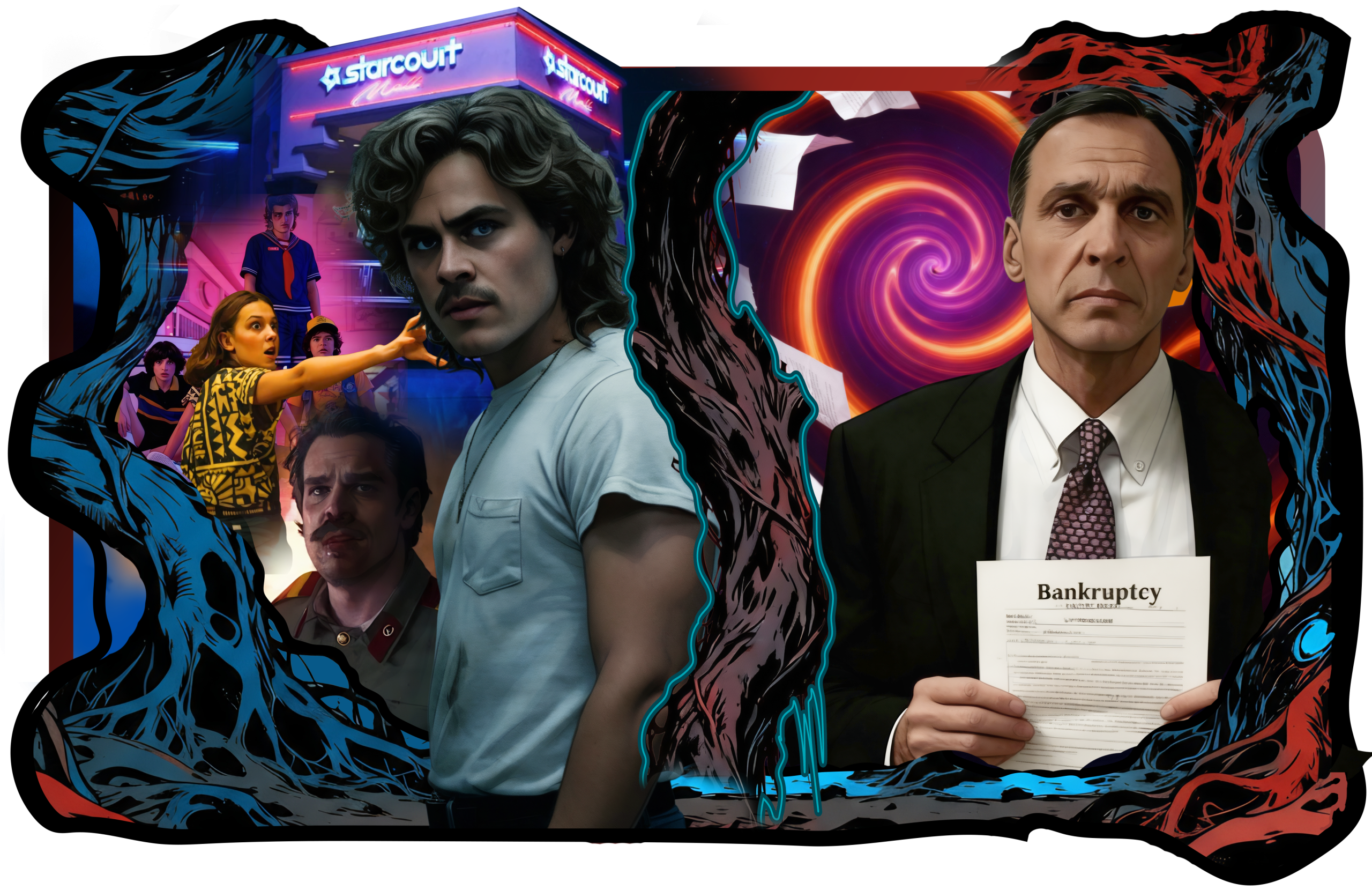
The crisis seemingly contained and the tunnels burned out, Hawkins enjoys a false summer of stability as Starcourt Mall’s grand opening represents the brief mid-2008 rally and return to normalcy bias, Bear Stearns is ancient history, and the S&P 500 rallies back toward 1,300 by May as investors convince themselves the worst is over. The Mind Flayer secretly possessing townspeople to build his flesh form is the hidden insolvency still metastasizing through major institutions, Lehman insisting earnings are fine, AIG’s CDS book ticking, Fannie and Freddie as zombie entities. Billy gets possessed (Lehman CEO Dick Fuld in denial), Heather’s parents melt into biomass (Bear Stearns and Countrywide refugees absorbed into the monster), converting everyone into components of a catastrophe nobody wants to acknowledge. The Russians building the underground machine to reopen the gate represent desperate institutions doubling down and refusing to accept losses, Lehman raising capital while hiding repos, Merrill selling CDOs internally, banks extending-and-pretending rather than crystallizing losses, financial engineers convinced they can control what emerges with more leverage. Steve and Robin at Scoops Ahoy are short-sellers like Burry and Paulson, mocked while everyone parties, but they crack the Russian code and discover the truth underneath. The Mind Flayer’s emergence at the Fourth of July (oil at $145/barrel) represents Lehman’s Q3 and Fannie/Freddie conservatorship materializing the full threat. Hopper’s sacrifice as Starcourt explodes is Lehman filing bankruptcy September 15th, authorities letting one die to save everyone, triggering the catastrophic chain reaction they thought they could control, ending the consumer fantasy as Hawkins sustains genuine damage foreshadowing the full Season 4 meltdown.
Season 4: The Everything Crisis (September 2008 – March 2009, Systemic Breakdown)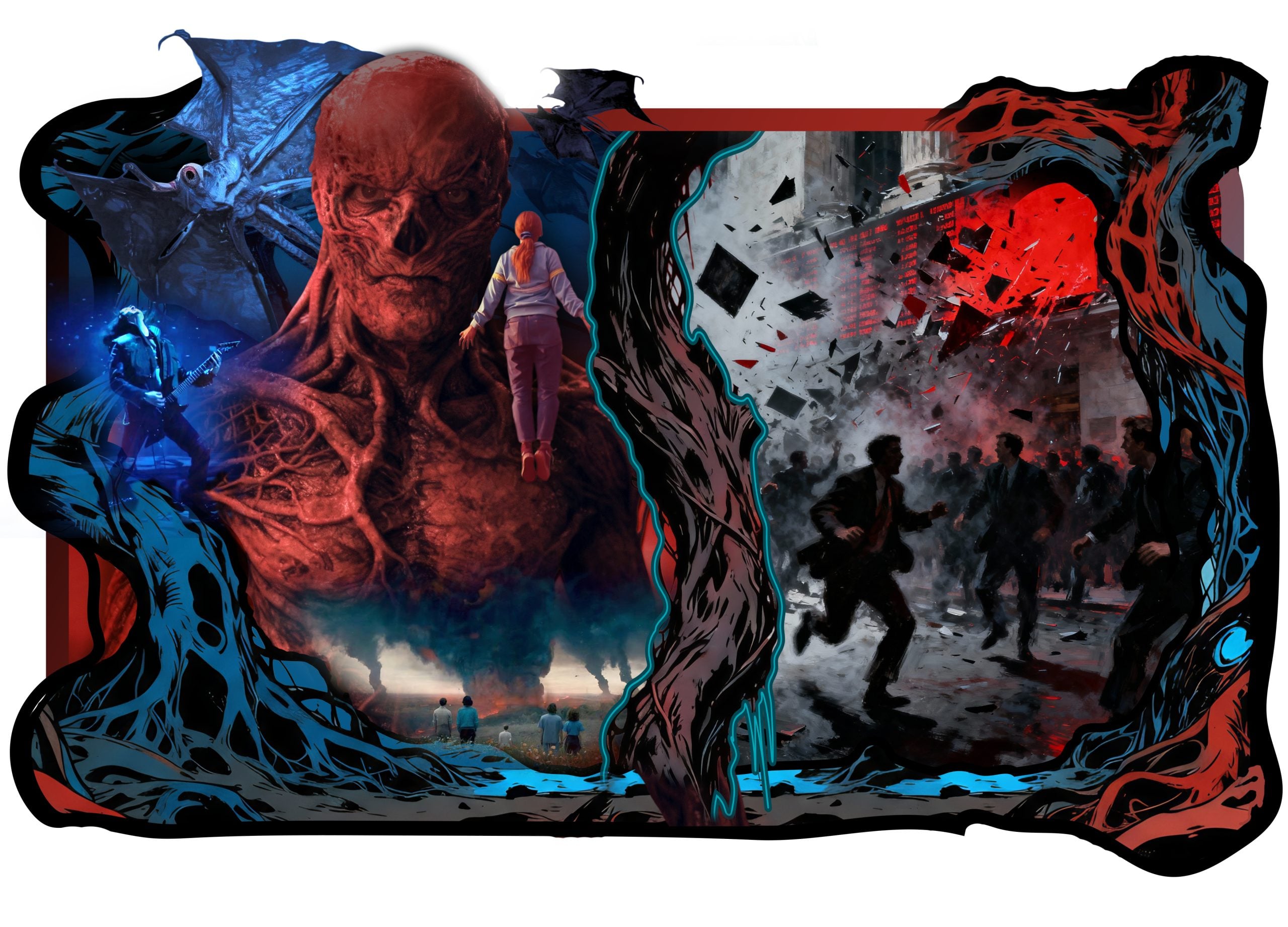
Multiple simultaneous crises across fragmented markets reveal Vecna as toxic structured products, not a foreign invader but created by the system itself (Hawkins Lab = Wall Street financial engineering). He kills by exploiting individual trauma, just as foreclosures happen household by household, each a personal tragedy feeding the systemic monster. Max’s curse (Lehman), Chrissy’s death (Bear Stearns), Fred and Patrick (AIG, WaMu), Vecna picks them off sequentially as his four gates to merge the Upside Down with Hawkins, representing the four systemic breakdowns: housing collapse, commercial bank failures, shadow banking freeze, and real-economy devastation. The gang scattered across California, Hawkins, and Russia shows fragmented global markets with broken correlations, Eleven losing her powers is the Fed hitting zero bound, conventional monetary policy exhausted and having to invent QE. But Eddie Munson shredding guitar on the trailer roof is managed futures and trend-following CTAs (+14% in 2008), the metalhead outsider nobody respected providing uncorrelated returns and liquidity when the herd stampedes, sacrificing himself as negative correlation when you need it most. Max ends up in a coma (credit markets flatlined), and the earthquake literally splits Hawkins as the Upside Down breaks through, September 15, 2008 onward, when financial crisis became real-economy crisis with unemployment spiking from 5% to 10%, foreclosure tent cities, GDP cratering, and the entire post-war economic consensus shattering.